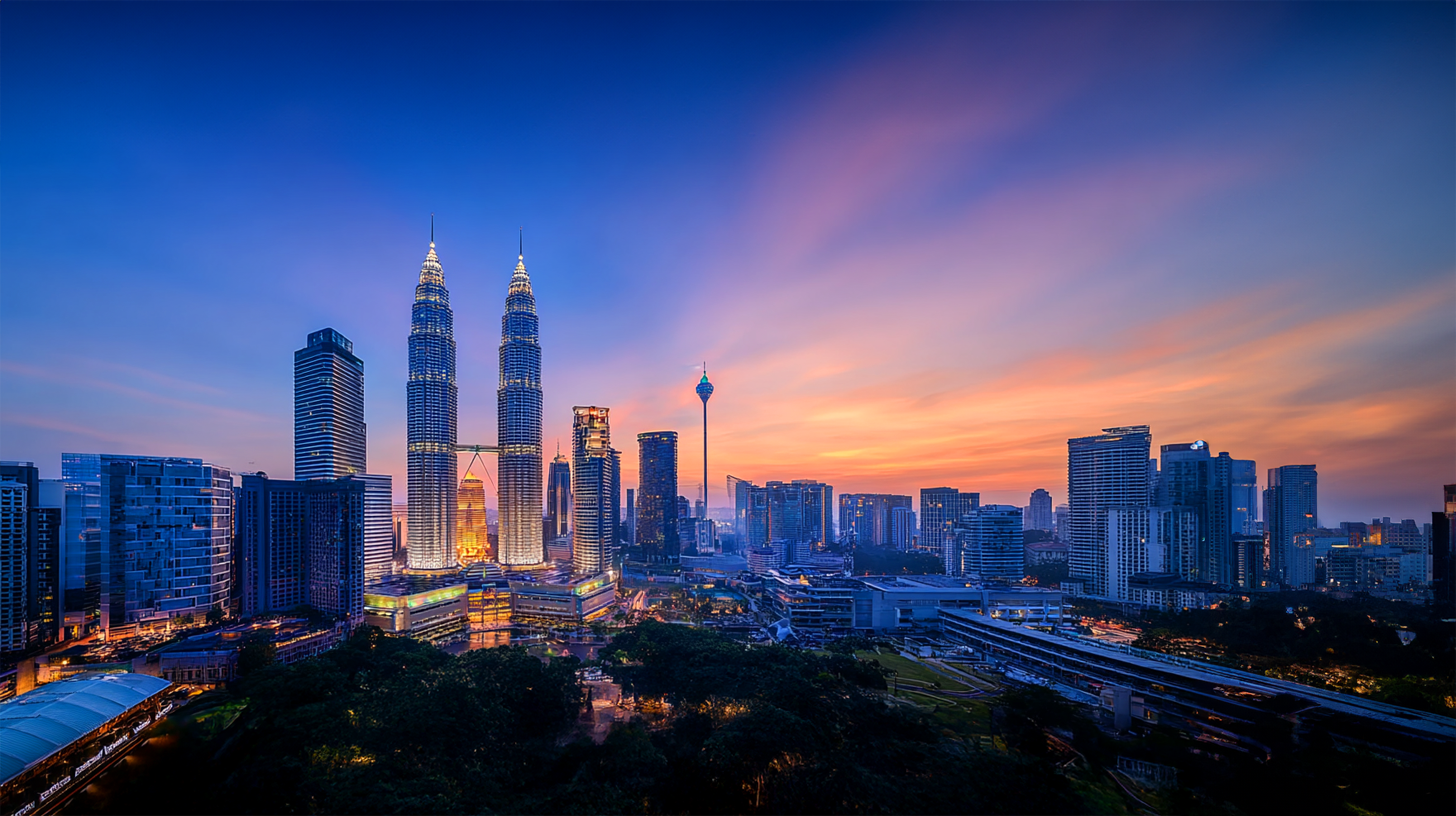
Malaysia is deepening its regional Asean partnerships and advancing climate adaptation and disaster preparedness to build a resilient, future-ready economy. Central to this vision is the ability to mobilise finance that drives sustainable growth while strengthening the nation’s resilience to climate, economic and social disruption.

By bolstering its regulatory and financial systems, Malaysia is laying the groundwork for an economy that thrives despite growing global uncertainty. The critical challenge now is executing this vision – transforming strategic commitments into a pipeline of viable, finance-ready adaptation and resilience projects capable of attracting institutional and private capital at scale. At the same time, Malaysia must navigate emerging risks – from the high resource demands of data centres to biodiversity loss – while addressing planetary health, human rights and transparency concerns that shape confidence in sustainable finance.
The 2026 edition of Unlocking capital for sustainability – Malaysia will bring together policymakers, regulators, financiers and industry leaders to explore how coordinated action and innovative financing solutions can unlock new sources of capital. The goal: to accelerate sustainable investment, enable inclusive growth and secure a resilient economic future for Malaysia and the region.
10:00
Fireside chat – Navigating sustainable growth in an age of geoeconomic confrontation
Geoeconomic confrontation, now the leading global risk for the foreseeable future, is threatening to derail multilateral ties – a vital cog to sustainable development. From spurring investments into adaptation projects to accelerating cross-border clean energy trade, multilateralism is key to bolstering economic resiliency while adapting to emerging climate risks.
This session will explore the progress Malaysia and the region has made towards the Sustainable Development Goals (SDGs), answering critical questions such as: What is the outlook for global sustainable finance within a fragmented global landscape? Can regional trade blocs such as Asean counter the policy backpedalling observed in other markets? Where are the remaining governance gaps in the region, and how will these impact national transitions?
10:30
Opening plenary – Catalytic capital: Building bankability for national adaptation
Malaysia, like other countries in the region, is formalising a National Adaptation Plan (MyNAP) to cope with mounting climate and disaster risks which disproportionately impact the most vulnerable of society. Spurring long-term financial flows into urgent adaptation needs, however, will hinge on strong institutional coordination, formalised planning processes and stakeholders’ technical capacity to deliver these projects.
This session convenes leading decision-makers in the space, tackling questions such as: How do we build in risk assessments and scenario planning to improve project viability and attract public-private funds? What strategies are needed to strengthen national and local implementation capacity? And how do we build ROI frameworks around private sector and local community needs?
11:45
In conversation – Who pays for planetary health? Aligning policy, capital and action
Malaysia is pursuing a tech-driven, whole-of-nation approach to planetary health, especially as the impact of environmental integrity on human and economic health becomes harder to ignore. The challenge will be creating a long-term financial roadmap to advance this transdisciplinary field which will be guided by the country’s National Planetary Health Action Plan.
This exclusive one-on-one dialogue will take on the difficult questions confronting Malaysia’s national action plan: Who should lead on financing planetary health? What dynamic financing mechanisms are needed to incentivise private investments? And how do we position planetary health on equal footing with socioeconomic development?
14:00
Plenary debate – Data centres: Boon or bane for Malaysia’s economic resiliency?
Malaysia’s data centre boom, necessary to power artificial intelligence (AI) technologies, is riddled with debate: Will data centres’ excessive resource consumption create a new cycle of problems which we are ill-equipped to deal with? Though improving foreign direct investments through tech hubs such as Penang and Johor, does the lack of local workforce readiness risk an unjust transition? And does automation boost or weaken our ability to respond to rapidly evolving problems?
This off-the-record debate will unpack these questions and more, exploring the future of data centres, AI and sustainable development in Malaysia.
15:45
Closing plenary – Asean Power Grid: Interconnected yet investable?
The Asean Power Grid (APG) is at a critical juncture, caught between aspirations to be a regional epicentre for cross-border energy trade, but hindered by fragmented progress. With more countries inking agreements to collaborate on clean power trade and infrastructure, the challenge now is to create the right commercial structures to scale these solutions.
This session convenes regional decision-makers and experts to assess APG’s future viability in delivering energy security and decarbonisation targets, answering key questions such as: How do we translate multilateral agreements into practical implementation? What strategies are needed to overcome transition bottlenecks including grid integration and cross-border interoperability? And will bankable ROI frameworks spur investments while strengthening political buy-in?