
Singapore
2026
Igniting capital, powering progress

September 10, 2026

Suntec Singapore Convention & Exhibition Centre
Singapore
Singapore
September 10, 2026
Suntec Singapore Convention & Exhibition Centre

Complimentary upon approval - please register your interest.

Register for tickets


Synopsis
Asia Pacific has been a driving force of the global economy, accounting for around 60 per cent of global GDP growth over the past decade. But this expansion has come at a cost – the region now faces what the United Nations describes as a “triple crisis” — escalating climate impacts, rising debt burdens, and accelerating biodiversity loss.
While countries have strengthened their climate commitments through enhanced Nationally Determined Contributions, ambition alone is no longer sufficient. The priority must now shift to implementation, underpinned by credible financial mechanisms and investment pipelines — even as global markets recalibrate, and in some cases retreat, from climate commitments.
This transition will require a decisive reallocation of capital towards long-term climate adaptation and disaster resilience, alongside addressing interconnected risks across nature loss, waste, and water and food security. At the same time, efforts to mitigate emissions — particularly through coal phase-out and renewable energy expansion — must accelerate.
Across the region, financial centres are beginning to play a more catalytic role in translating ambition into action. As a leading sustainable finance hub, Singapore is advancing frameworks that scale derisking mechanisms, and mobilising capital for the wider energy transition, adaptation and resilience.
Stronger governance frameworks for artificial intelligence, climate technologies, and the digital economy will also be critical, as policymakers and innovators increasingly leverage these tools to scale sustainable solutions.
Now in its ninth year, the flagship Unlocking capital for sustainability Singapore summit will this year be co-hosted for the first time with AT ONE IMPACT WEEK 2026. The platforms will convene leaders from government, finance, and industry to chart practical, resilient pathways for the region and beyond.
Note: All Unlocking capital for sustainability Singapore sessions will be held at Level 3, Lab 12, Nicoll 1 unless otherwise indicated.





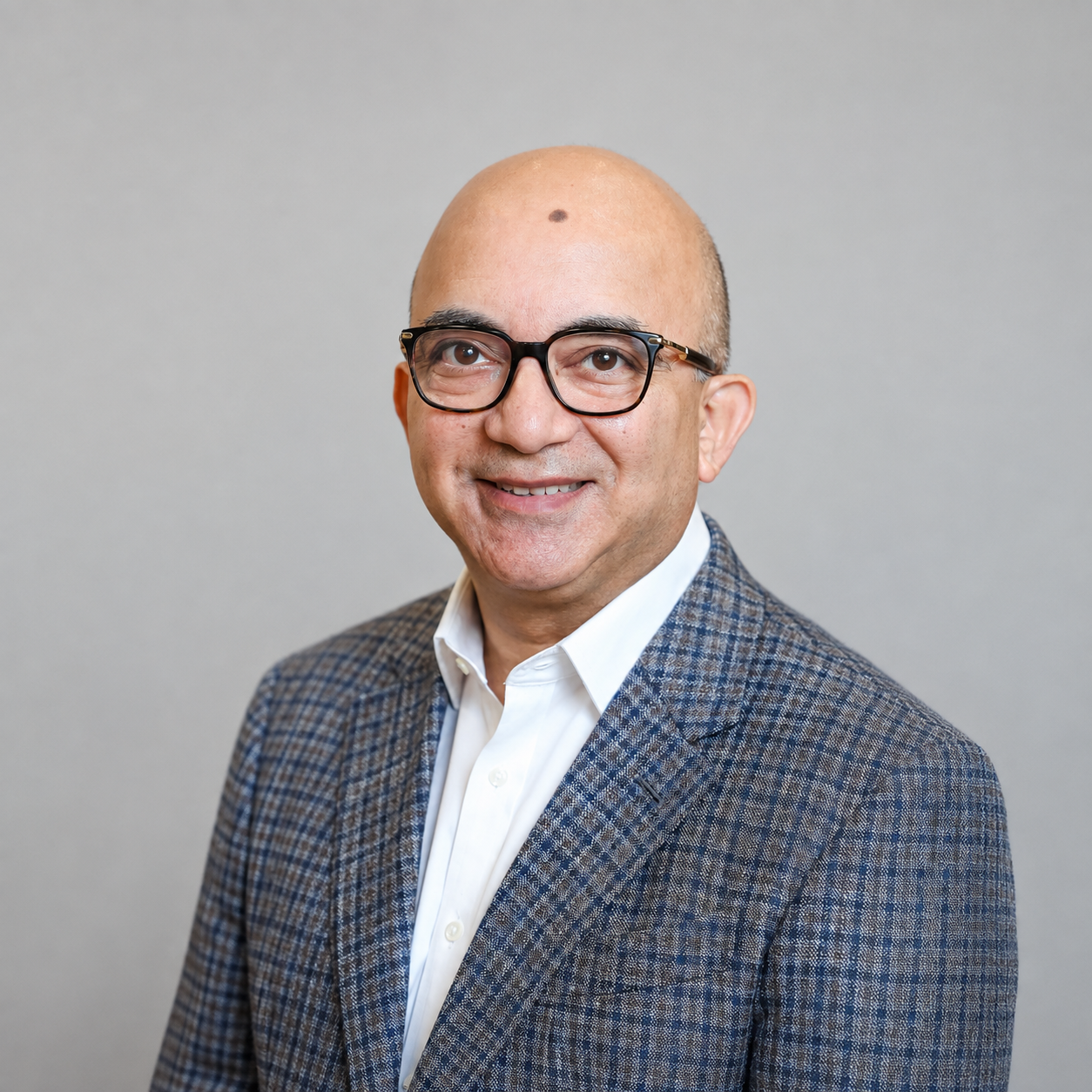
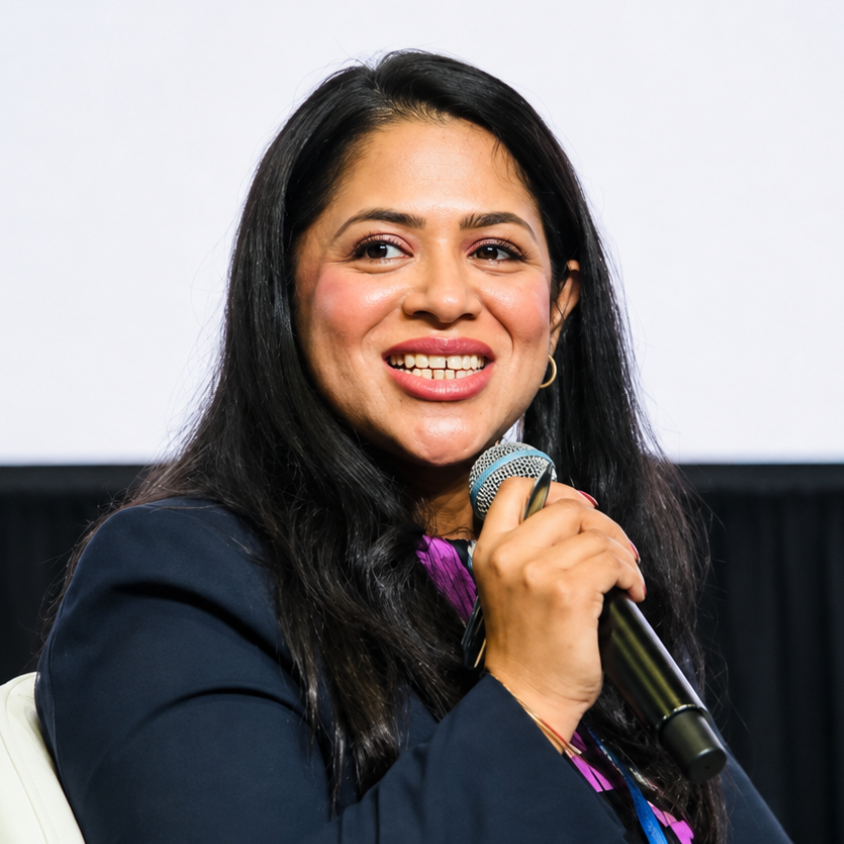





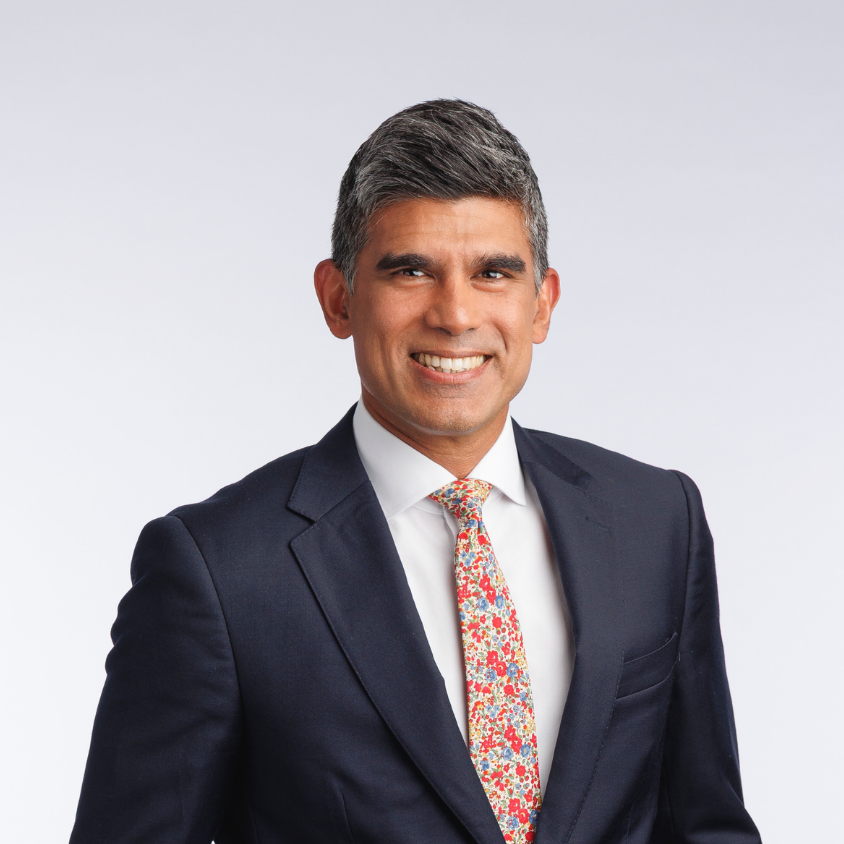


Agenda
7:30
Breakfast briefing in partnership with Stockholm Environment Institute (By invitation only)
This exclusive breakfast briefing will examine the barriers preventing capital from reaching vulnerable communities and showcase practical solutions to close both the capacity and financing gaps. The session will feature the launch of new insights on the barriers to inclusive climate finance in Asia-Pacific, alongside two complementary solutions: strengthening the skills and capabilities of finance professionals through climate finance training, and mobilising investment through the Regional Adaptation Investment Facility (RAIF).
Speakers
Moderators
8:30
Registration
Registration for Unlocking capital for sustainability is at Level 3 UCFS Conference room – Lab 12, Nicoll 1.
Delegates must register at the IMPACT WEEK counter before going to the Unlocking capital for sustainability Singapore registration area. Each delegate will have two badges: one for IMPACT WEEK and one for Unlocking capital for sustainability Singapore.
Speakers
Moderators
9:30
9:45
Opening keynote address
10:00
Opening plenary – Financing adaptation and resilience: Closing Asia Pacific's investment gap
Asia Pacific generates around 60% of global GDP, yet disaster- and climate-related losses are rising faster than the capital flowing to prevent them, with adaptation and resilience still the most underfunded pillar of climate finance. What will it take to mobilise private and blended capital at the scale and speed needed to protect the region’s economies, infrastructure and communities?
This opening plenary convenes leaders from finance, insurance and development institutions to unpack how adaptation can be structured as a bankable asset class, with clear value, risk reduction and return profiles. The discussion will explore the role of blended finance and risk-sharing instruments in de-risking early investment, and how development banks and institutional investors can better align incentives around resilient infrastructure.
Water security will be used as a sharp case study, spotlighting investment models for resilient water systems – from flood protection and storage to smarter distribution and reuse – and what it takes to turn these resilience needs into scalable, investable opportunities across Asia Pacific.
Speakers
10:45
Plenary 2 – Pricing the unpriced: Nature risk in Asia's capital markets
Nature loss is rapidly emerging as a material financial risk, yet capital markets and risk frameworks are still largely calibrated to carbon alone. Nature-dependent sectors across Southeast Asia now face mounting pressure on forests, coastlines and water systems, exposing banks and investors to physical, transition and liability risks that are not yet fully priced in. At the same time, expectations are rising – from TNFD adoption to evolving green and nature taxonomies – faster than the pipeline of investable, bankable nature-positive projects.
This plenary convenes regional banks, institutional investors and nature-finance innovators to discuss practical steps to integrate biodiversity and ecosystem risk into credit, underwriting and portfolio decisions, and how that can reshape capital allocation across high-impact sectors. What do financial institutions actually need – in data, instruments and policy signals – to move nature from a disclosure and reporting obligation to a core investment thesis?
Speakers
11:30
Tea break
Speakers
Moderators
11:45
Plenary debate – This house believes the real failure in climate-health is policy paralysis, not corporate inaction
Climate-health impacts are often framed as a future risk, but for many communities and businesses they are already a present-day governance failure. Rising heat, extreme weather, poor air quality, and disease exposure are placing growing pressure on workers, residents, infrastructure, and local economies, yet the question remains: who is actually responsible for acting? The motion explores how companies are responding – and whether governments are doing enough to set the rules, standards, and protections needed for meaningful resilience.
Speakers
12:30
In focus: Rethinking governance in an era of disruption
In an era defined by geopolitical uncertainty, market volatility and societal division, leadership is increasingly about creating clarity amid fragmentation. This board-focused discussion will explore how leaders can hold organisations together when external pressures are pulling them in different directions, from shifting stakeholder expectations and fractured supply chains to competing priorities across markets and teams.
Thought leaders will examine what effective leadership looks like when consensus is harder to build and decisions carry wider strategic consequences and what leadership capabilities are needed to sustain performance, credibility and direction in an increasingly divided world.
13:00
Networking lunch
Speakers
Moderators
13:45
The Broken Substrate: A Power Chat on What Happened to Money and Who is Designing What Comes Next?
Across the world, foundations are being rewritten. Central banks in over 130 countries are advancing digital currencies that could redefine how value moves. New cross-border systems are emerging beyond legacy rails, while markets are reshaping how value is stored and priced. At the same time, deployment is being reinvented. Fintech platforms and digital banks are reaching millions long excluded from formal finance, using new models of risk, scale, and capital. Taken together, this is a once-in-a-generation redesign of the monetary system.
But none of it is inherently aligned with impact. The same systems can enable inclusion or extraction, regeneration or speculation. The imperative now is to ensure the impact investing community understands what is being built around it, recognises where its voice belongs in those design conversations, and organises itself into a coherent enough body that—over the decade—that voice can be present, credible, and weighty when the architectural choices are being made. Three honest questions: what happened to money as a store of value; who is deciding what replaces it; and who has standing to sit in those design rooms?
Note: This session will take place at Forum 1. View the full session details on the IMPACT WEEK Singapore 2026 programme.
Speakers
Moderators
14:45
Ministerial fireside chat – Leading the transition in a fragmented world
Asia Pacific generates 60 per cent of global GDP, yet the region is contending with what the UN has called a "triple crisis" — climate impacts, mounting debt and biodiversity loss — just as geopolitical tensions and shifting trade alignments fracture the multilateral consensus that once underpinned economic cooperation. The pressure on Asian economies to chart their own course toward resilient, low-carbon growth has never been greater.
In this fireside chat, Guest-of-honour Jeffrey Siow, Minister for Transport, Second Minister for Finance for Singapore who oversees Singapore's air, land and sea transport as well as its fiscal and economic strategy, joins Jessica Cheam to discuss what credible leadership on the transition looks like when global cooperation can no longer be assumed.
The conversation will explore what it takes for Asia to move from ambition to implementation, and what role Asian nations like Singapore can play in holding the transition together when the old playbook no longer applies.
Note: This session will take place at Forum 1.
15:30
Tea break
Speakers
Moderators
16:00
Launch of TLC: The Liveability Challenge's 10th year anniversary
The Liveability Challenge celebrates a decade of climate tech innovation in Asia with its 10th edition. Join us for the launch of TLC to discover this year’s new themes, learn more about the funding opportunities available, and connect with leading investors from across the region.
Moderators
16:15
TLC partnership agreement exchange
Speakers
Moderators
16:20
A decade of innovation: Closing the scale-up gap in Asia’s climate tech
62 startups backed and about S$18 million in catalytic funding deployed. A decade on, The Liveability Challenge has moved technologies across water security, alternative protein, hydrogen storage and passive cooling from lab to market.
As TLC marks 10 years as Asia’s leading climate tech innovation platform, the critical question has evolved to what it will take to scale solutions in a funding environment that has cooled sharply amid global geopolitical and economic headwinds, where policy frameworks often lag the technology, and where the capital required to de-risk large infrastructure bets rarely resembles early-stage venture money.
This TLC plenary convenes capital, policy and enterprise leaders to interrogate the gap between pilot and scale. Using a decade of TLC case studies as a shared reference point, the session will explore what it takes to move beyond the ‘funding winter’ to focus on what de-risks a climate technology for growth capital, which blended finance structures are proving effective in practice, and what founders who have navigated the pilot-to-scale transition wish they had known earlier.
Speakers
17:15
With Jens Ritter: ‘When Art and Music becomes Impact’
Moderators
17:45
Networking drinks
Speakers
Moderators
Partners
In partnership with

Hosted at
Visit website
AT ONE IMPACT WEEK 2026 | SINGAPORE
AT ONE is the core of IMPACT WEEK. A call to wholeness in an age of fragmentation. It invites us to move beyond silos, beyond ego — toward a shared purpose. We are a living ecosystem for shared learning, partnership, and purposeful impact.
Find out more
Strategic partners

Visit website
UOB
United Overseas Bank Limited (UOB) is a leading bank in Asia with a global network of about 500 branches and offices in 19 countries and territories in Asia Pacific, Europe and North America. We believe in being a responsible financial services provider and we are committed to making a difference in the communities in which we operate.
Find out more

Visit website
Temasek Foundation
Temasek Foundation supports a diverse range of programmes that uplift lives and communities in Singapore and beyond. Temasek Foundation’s programmes are made possible through philanthropic endowments gifted by Temasek, as well as gifts and other contributions from other donors. These programmes strive towards achieving positive outcomes for individuals and communities now, and for generations to come. Collectively, Temasek Foundation’s programmes strengthen social resilience, foster international exchange and regional capabilities, advance science, and protect the planet.
Find out more
Climate and nature partner

Supporting partners

Visit website
CapitaLand Investment
CapitaLand Investment (CLI) is a leading global real asset manager with a strong presence in Asia. Headquartered and listed in Singapore, CLI operates in over 40 countries, connecting institutional capital to investment opportunities through its on-the-ground expertise and deep local capital networks. Its portfolio spans strategic investments in commercial, lodging and living, logistics and self-storage, data centres and real estate credit, aligned with its high conviction themes. CLI is focused on scaling its asset-light, recurring fee income across fund management, commercial and lodging management, delivering sustainable long-term value through disciplined capital management and responsible investing. For more information, please visit: www.capitalandinvest.com.
View full partner details


Visit website
BDO Unibank
BDO Unibank is a full-service universal bank in the Philippines, providing a complete array of industry-leading products and services including Lending (corporate and consumer), Deposit-taking, Foreign Exchange, Brokering, Trust and Investments, Credit Cards, Retail Cash Cards, Corporate Cash Management and Remittances. Through its local subsidiaries, the Bank offers Investment Banking, Private Banking, Leasing and Finance, Rural Banking, Life Insurance, Insurance Brokerage, and Online and Traditional Stock Brokerage services.
View full partner details
Knowledge and outreach partners
Visit website
Centre for Sustainable Finance Innovation (CSFI)
The Centre for Sustainable Finance Innovation (CSFI) was established in 2022 to spearhead top-notch research and practical education on two main themes: sustainable finance and financial innovations. Its vision is to forge a solid strategic alliance among academia, policymakers, and finance practitioners.
View full partner details
.png)
Visit website
EU Asean Business Council
The EU-ASEAN Business Council (EU-ABC) is an advocacy organisation focused on promoting EU-ASEAN trade. Formally recognised by both the ASEAN Secretariat and European Commission, the Council serves as a key representative for European businesses operating in the ASEAN region. We engage directly with governments and key decision-makers, working to shape policy, drive regulatory changes, and ultimately foster an environment where European businesses can thrive.
View full partner details

Visit website
International Capital Market Association (ICMA)
ICMA promotes well-functioning cross-border capital markets, which are essential to fund sustainable economic growth. It is a not-for-profit membership association serving around 630 members in 71 jurisdictions globally. Its members include private and public sector issuers, banks and securities dealers, asset and fund managers, insurance companies, law firms, capital market infrastructure providers and central banks.
View full partner details
.png)
Visit website
Singapore Sustainable Finance Association (SSFA)
The Singapore Sustainable Finance Association (SSFA) is an industry body established by the Monetary Authority of Singapore (MAS) along with the financial industry in January 2024. Building on the successful work of the Green Finance Industry Taskforce (GFIT), SSFA is established to collaborate across the financial and real economy sectors to support the growth of Singapore as a trusted, vibrant, and inclusive sustainable finance centre. SSFA welcomes participation from financial services, non-financial sector corporates, academia, non-governmental organisations, policymakers and other industry bodies.
View full partner details


.png)
.png)
.png)
