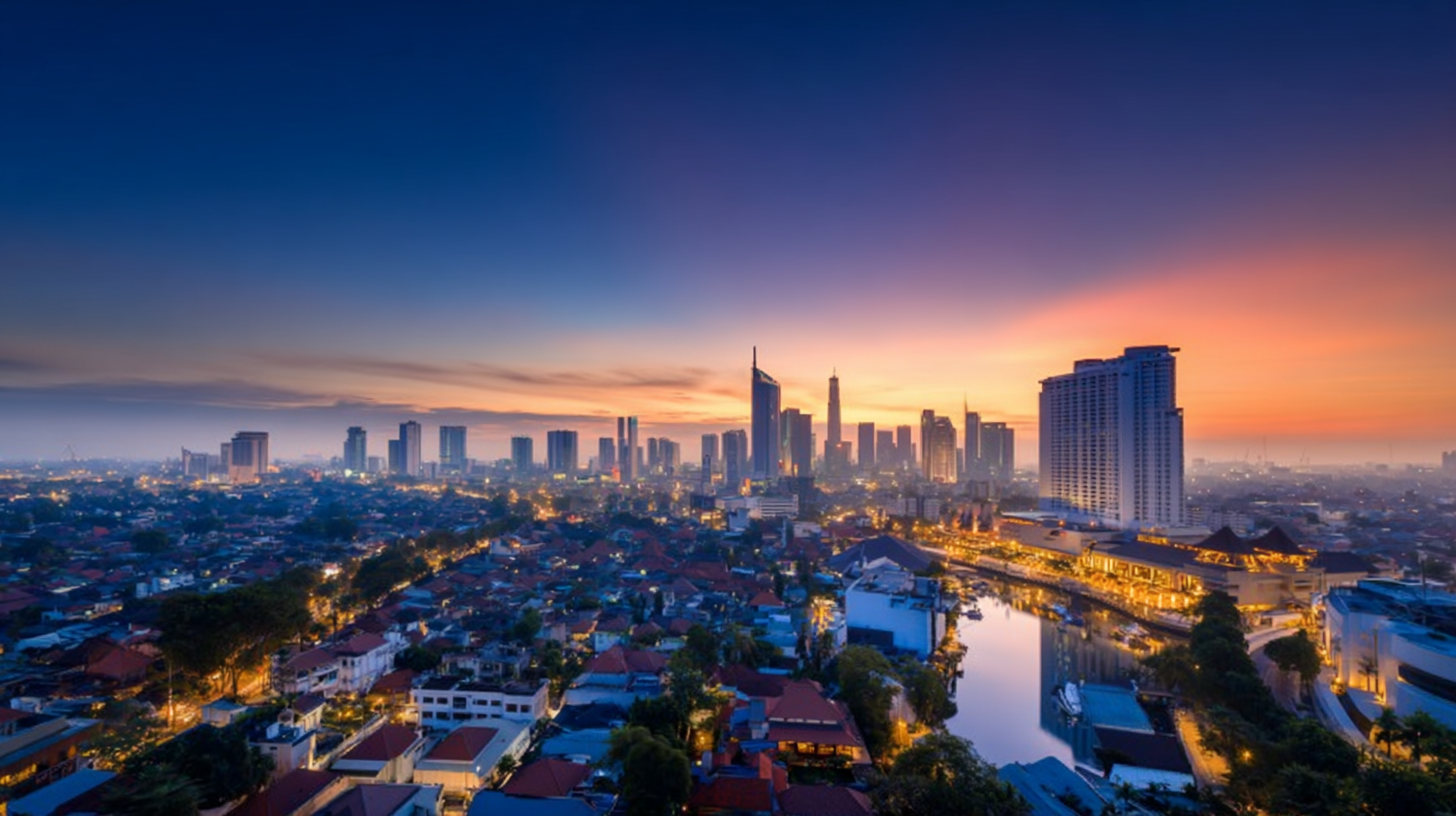
Philippines
2026
Charting a shared future: Pathways for a resilient ASEAN

August 19, 2026

EDSA Shangri-La, Manila
Philippines

Philippines
August 20, 2026
Ayala Corporation, Makati City

PHP 3,000 - Early Bird (Regular - PHP 4,000)

Register for tickets
X


Synopsis
As Asean chair, the Philippines is positioning itself as a regional catalyst for climate action and economic resiliency against a turbulent global geopolitical environment. From deepening trade ties for cross-border clean energy trade to aligning sustainable finance frameworks, multilateralism will underpin the region’s growth and scale.
Under the 2026 Asean theme, “Navigating Our Future, Together”, the Philippines will spearhead efforts to strengthen regional stability through cooperation and dialogue, unlock shared prosperity through inclusive sustainable development and prioritise social inclusion.
Collectively adapting to mounting climate risks, which disproportionately impact vulnerable communities and threaten up to 35 per cent of Asean’s GDP, will be key to creating this shared and resilient future.
The 2026 edition of Unlocking capital for sustainability – Philippines will convene policymakers, financial leaders and industry players to determine credible pathways for resilient growth in the region.
These include mobilising international and private investments into climate adaptation, disaster preparedness and regional energy connectivity, especially amid retreating domestic funds, while addressing the emerging challenges of food insecurity, waste and climate litigation. By galvanising efforts, the Philippines will create a pathway for a resilient Asean amid an era of heightened geoeconomic confrontation and global uncertainties.
What we're talking about
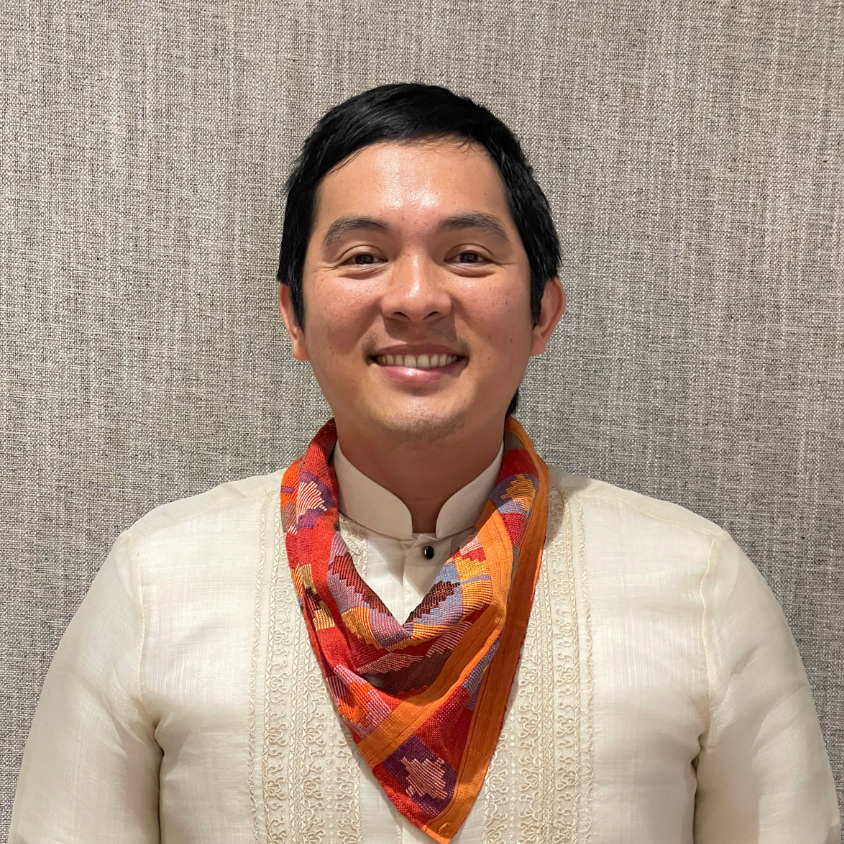
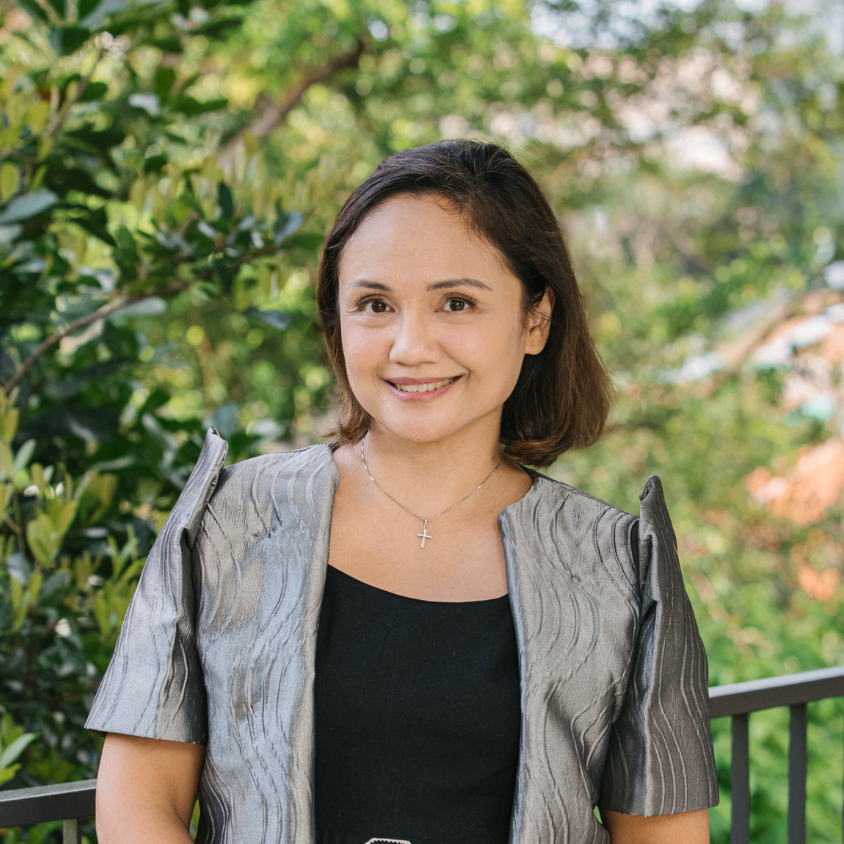
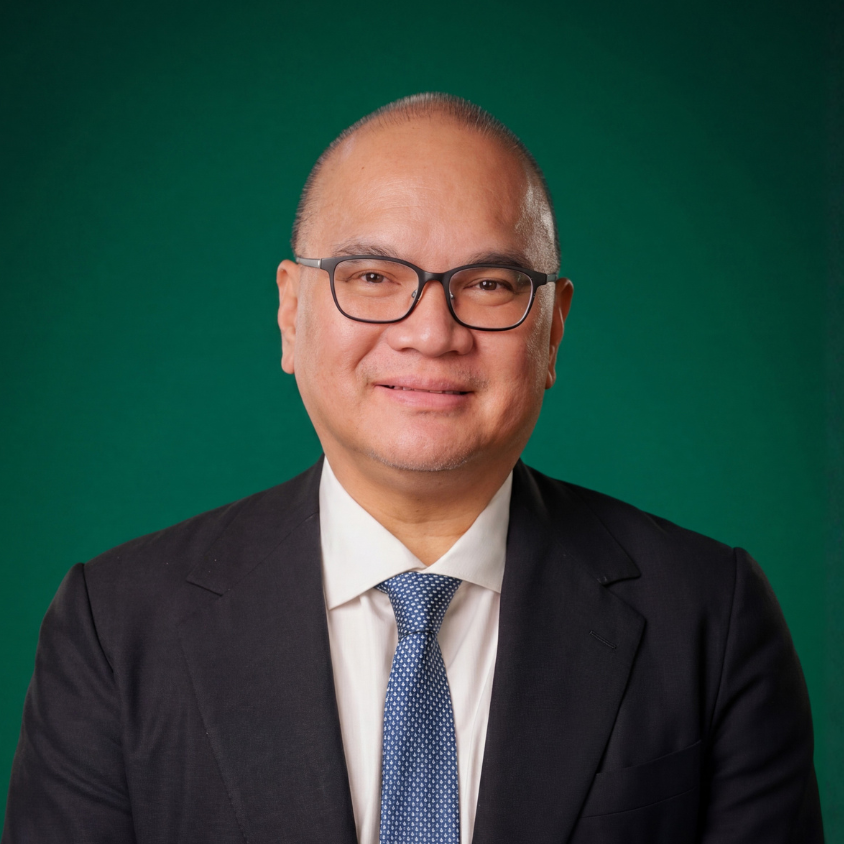
Key Speakers




Speakers












Agenda
8:30
Registration
Speakers
Moderators
9:30
9:35
Opening address
9:45
Keynote address by guest-of-honour
10:00
Fireside chat – Pathways for resilience in an era of geoeconomic confrontation
Resilience is no longer a hedge – it’s the new currency of power. As great-power rivalry reshapes trade routes, supply chains and investment flows, nations that adapt fastest will be the ones that turn disruption into advantage. With the Philippines chairing Asean in 2026, how will the country and the wider region navigate this new era? What does real resilience – economic, strategic, institutional – look like when the ground keeps shifting beneath you?
This fireside chat explores how the Philippines and its Asean neighbours can build that resilience under pressure. From reconfigured supply chains to the energy transition and mobilising capital, how are businesses responding on the ground? Has geopolitics hindered the pace of the transition, or heightened its urgency? And what does resilience look like not just for governments and companies, but for the communities living through the disruption?
10:40
Opening plenary – Aligning finance: Making mitigation and adaptation work for regional economies
With up to 35 per cent of regional GDP exposed to climate and nature-related risks, formalising a concrete mitigation and adaptation strategy is now an urgent priority for Asean. On both fronts, however, capital isn’t following the need. Regional emissions are projected to keep climbing towards 2050, and adaptation lags further still, drawing only a small share of overall climate finance. Sustainable finance taxonomies remain inconsistent across member states, and climate governance too often stops at the national level, disconnected from local decision-making.
This opening plenary examines the Philippines' role – especially in its year as Asean chair – in scaling the capital needed and strengthening the bankability of climate mitigation and adaptation projects across the region. How can financial reporting standards and taxonomies be aligned regionally while still accounting for local market differences? What will it take to strengthen climate governance across national, regional and local levels of government? And how do national and regional strategies move local communities from implementers to genuine partners in shaping them?
Speakers
11:30
Tea break
Speakers
Moderators
11:45
Plenary 2 – Accelerating the energy transition in the Philippines and Asean
The Philippines stands at a critical juncture in its energy transition, with rising power demand, energy security concerns, and climate commitments driving the urgent need to scale clean energy solutions. With strong potential in solar, wind, and geothermal, the country has an opportunity to rapidly increase renewable energy adoption—provided it can address persistent barriers in grid infrastructure, project development, and policy execution. At the same time, the electrification of transport is emerging as a key lever to reduce emissions and reshape energy demand, linking the power and mobility transitions more closely than ever.
This session brings together policymakers, investors, utilities, and industry leaders to explore how the Philippines can accelerate a just and resilient energy transition. Discussions will examine how to unlock financing at scale, from blended finance to private capital mobilisation, and how to de-risk renewable energy projects to speed up deployment. The panel will also assess the role of electric mobility in driving demand for clean power, the infrastructure needed to support EV uptake, and how integrated planning across power and transport systems can future-proof the country’s energy landscape.
Speakers
12:45
13:00
Lunch
Speakers
Moderators
14:00
Plenary debate – This House believes that current tourism models are incompatible with sustainable development
In fast-growing economies such as the Philippines, tourism is pitched as a bridge between preservation and profit – a platform to channel natural and cultural capital for economic growth. Yet friction is unavoidable: mass arrivals drive up carbon emissions, inflate cost of living and often displace the very communities whose heritage are being monetised. Are current sustainable tourism models a viable blueprint for equitable development, or are they a structural contradiction that masks environmental degradation and economic inequality?
This off-the-record plenary session will debate whether market-driven strategies and policies can truly reconcile growth with conservation, or if countries need to rethink current approaches to tourism-driven economies.
Note: This session is under Chatham House Rule and will be strictly off-the-record and not for media coverage.
Speakers
14:50
In conversation – Is Asean prepared to tackle the growing agricultural and food crisis?
The Middle East conflict not only revealed structural weaknesses in the global energy system but agricultural supply chains as well, with Asean highly exposed to price and supply volatility. Philippines is especially vulnerable due to its reliance on exported fertilisers and with over 40 per cent of the population facing moderate to severe food insecurity. Securing food resilience in an era of geopolitical shocks and growing climate risks is thus an immediate regional imperative.
This session will tackle key questions on securing sustainable agriculture and food security, including: How do we build responsive agricultural systems which can respond to sudden crises while adapting to long-term needs? Which areas boast the highest potential to expand intra-Asean trade on agricultural goods? And how do we modernise and raise productivity of agricultural practices while ensuring local farmers are uplifted and empowered in the process?
15:30
Tea break
Speakers
Moderators
15:45
Closing plenary – One region, one loop? The case for an Asean circular economy framework
Regional economies are coming under pressure from increasing resource depletion, unsustainable consumption and inefficient production – prompting the need to shift from a linear to circular economic model. The EU Circular Economy Act, a proposal to create common rules across the European single market, could serve as inspiration for an Asean circular framework. However, questions remain over how regulators navigate contextual differences while implementing solutions within the non-binding nature of Asean.
This session convenes leading ecosystem players, exploring questions such as: Is a regional circular framework within Asean feasible? What are the financial, regulatory and organisational barriers preventing the shift from linear to circular production? And how do we look beyond environmental factors to incorporate trade, technology and finance – key to scaling circular solutions?
Speakers
16:45
Closing keynote address
16:55
17:00
Networking
Speakers
Moderators
Partners
In partnership with

Strategic partners


Visit website
Net Zero Carbon Alliance (NZCA)
The Net Zero Carbon Alliance is the Philippine private sector’s guide toward net-zero emissions. Committed to realizing our net zero ambitions, we collaborate with trailblazers in sustainability across diverse industries, fostering a collaborative environment where innovative strategies are shared and implemented.
Find out more
Knowledge partner
Visit website
BDO
BDO Unibank, Inc. (BDO) is a full-service universal bank which provides a wide range of corporate and retail services such as loan and deposit products, treasury, trust banking, investment banking, private banking, thrift banking and microfinance, cash management, leasing and finance, remittance, life insurance, property & casualty insurance brokerage, cash cards, credit cards, and online and non-online stock brokerage services.
Find out more
Networking partner

Outreach partners

Visit website
Philippine Council of Associations and Association Executives (PCAAE)
The Philippine Council of Associations and Association Executives (PCAAE) is the country’s premier membership organization for associations and association professionals, dubbed as the “association of associations.” Founded in 2013, PCAAE advocates for the growth and sustainability of associations as vital partners in national development and provides a platform for professional development, networking, and recognition.
View full partner details
Visit website
QBO Innovation
QBO Innovation is a division of Ideaspace that consults for, and engages with government agencies, academic institutions, international development agencies, and private sector enterprises in driving digital transformation strategies, developing innovation ecosystems, and accelerating technology startup growth. Created in 2016 through a partnership with Ideaspace, J.P. Morgan, the Department of Science and Technology (DOST), and the Department of Trade and Industry (DTI), QBO has been an active player in creating a globally competitive tech startup ecosystem in the Philippines.
View full partner details

Visit website
Villgro Philippines
Villgro Philippines is a gender-smart incubator that funds, mentors, and nurtures enterprises addressing the most pressing social and climate issues. Over 6 years, Villgro has supported 150+ enterprises across South and Southeast Asia; the portfolio has raised over $21M USD in follow-on funding and impacted 14 million+ lives. Villgro established the Nüshu Network in 2021 and launched the Impact Pioneers Network with xchange, providing early-stage entrepreneurs access to debt and equity. Awards include Youth Gender Champion (2020), UN Women WEPs Gender Responsive Marketplace (2021), and Philippine WEP Award for Innovative Financing (2024). Villgro is GLIA-certified by ygap and the Sasakawa Peace Foundation.
View full partner details
.png)
Visit website
Philippine Business for Social Progress (PBSP)
Philippine Business for Social Progress (PBSP) is the country’s largest business-led NGO for social development in the Philippines and operates at the nexus of corporate citizenship, sustainable development, and poverty reduction. Established in 1970, PBSP remains a consultant and partner of choice of companies and donors.
View full partner details

Visit website
British Chamber of Commerce of the Philippines
The British Chamber of Commerce of the Philippines (BCCP) is an independent, non-profit membership organization committed to strengthening UK-Philippine trade and investment ties. Established in 1997 as the British Business Association and rebranded as BCCP in 2001, the Chamber has since grown into a trusted partner for businesses navigating opportunities in both markets.
View full partner details

Visit website
iMPACT
iMPACT is a systemic solution that strives to offer exclusive content from the development sector to our beneficiaries through its various components, which include the iMPACT Magazine, iMPACT portal, Curated Resources, and iMLearning series. Our information Hub designed specifically for individuals in the development sector, provides its users insights on the most recent innovations, best practices, case studies, research and career guidance to young agents of change.
View full partner details


.png)
.png)
.png)
